Avoid Staircase Damage When Moving in EC1M Terraces
Posted on 02/06/2026
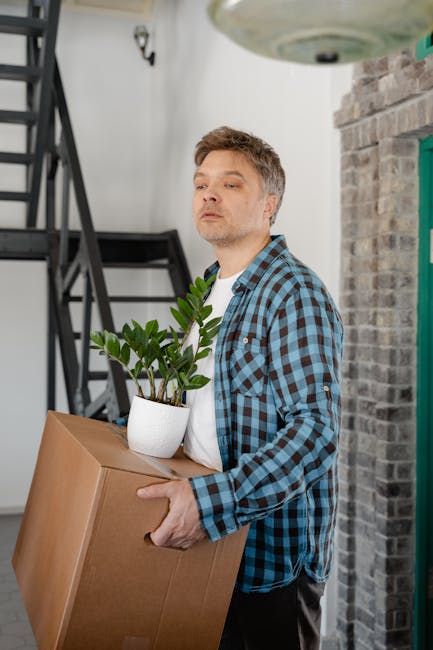
Moving in EC1M terraces can be a tight, awkward business. Narrow staircases, older banisters, painted walls, and the occasional sharp corner can turn a simple move into a costly headache if you are not careful. If you want to avoid staircase damage when moving in EC1M terraces, the real answer is not brute strength. It is planning, protection, and a calm, methodical approach that respects the property as much as the furniture.
That matters even more in Clerkenwell, where many homes have character features that look lovely until a wardrobe clips a spindle or a mattress scrapes a plastered wall. In this guide, you will find practical steps, common mistakes, and local-aware advice that helps protect both your staircase and your sanity. To be fair, that second part is worth a lot on moving day.
Why Avoid Staircase Damage When Moving in EC1M Terraces Matters
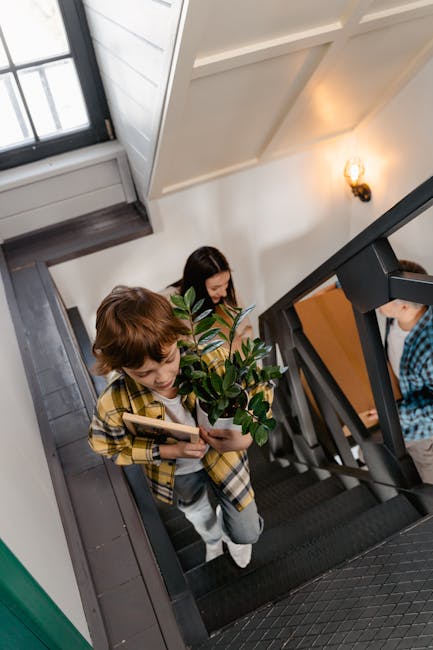
Staircase damage is one of those moving-day problems that can look minor in the moment and then become annoyingly expensive later. A scuffed wall, dented stair edge, chipped paint, or broken handrail may seem small, but in a terraced property it can affect deposit deductions, repair bills, neighbour relations, and the overall finish of the home.
EC1M terraces often combine older layouts with modern living needs. That means tighter turns, uneven step widths, and staircases that were never designed for today's bulky furniture. A sofa is rarely the real problem. It is the angle, the height, the landing, and the person behind you saying, "just a bit more this way" while everyone is already sweating. You know the scene.
There is also a practical safety angle. Scratches are annoying; a dropped item is dangerous. When movers are rushed, they may lose balance, overreach on stairs, or catch clothing and fingers on awkward edges. Protecting the staircase is really about protecting the whole move.
If your move involves larger items like beds, wardrobes, or musical instruments, it helps to think beyond standard lifting technique. In some cases, reading about moving beds and mattresses efficiently or even handling specialist items with the right care can save a lot of trouble before anyone steps on the stairs.
How Avoid Staircase Damage When Moving in EC1M Terraces Works
The process is straightforward in principle, though a bit fiddly in practice: assess the staircase, protect vulnerable surfaces, choose the right lifting method, and control every movement through the narrowest points. The aim is not speed. The aim is controlled progress with no surprises.
Here is the basic logic. First, measure the large items and the staircase. Then clear the route. Next, prepare the staircase with protective materials. After that, assign roles so people know who is guiding, who is lifting, and who is spotting corners. Finally, move one item at a time, slowly enough to stay in control but steadily enough not to stall mid-flight on the landing.
In our experience, most staircase damage happens at three pinch points: the bottom turn, the midpoint where a banister narrows the path, and the top landing where people assume the hard part is over. That last bit catches people out all the time. The final few steps are often the clumsiest because everyone relaxes too early.
Good protection also depends on the type of item. A mattress bends differently from a sideboard. A bookcase has protruding edges. A washing machine is heavy and unforgiving. The method should match the load, not just the lifting strength of the people involved. If you want a broader view of moving tactics, organising packing properly and decluttering before the move both reduce staircase pressure by lowering the number and size of items that need to go up and down.
Key Benefits and Practical Advantages
Protecting staircases during a move is not just about avoiding a repair bill. It improves the whole day in several practical ways.
- Fewer property repairs: less chance of chipped plaster, scuffed paint, loose trim, or damaged banisters.
- Less stress: a well-managed staircase move feels controlled, not chaotic.
- Better safety: fewer slips, strains, and dropped items.
- Smoother handover: especially useful in rented terraces where end-of-tenancy inspections can be quite exacting.
- More efficient loading: when routes are planned properly, items move through the property faster.
There is another benefit people often miss: confidence. When movers know the staircase is protected and the plan is sound, they tend to move more calmly. That matters. A calm team makes fewer mistakes. Simple as that.
For landlords, tenants, and homeowners alike, the method helps preserve the look and value of the property. And because many EC1M terraces have shared access or close neighbours, avoiding knocks and scraping noises also keeps things civil. Sometimes that is half the battle.
Who This Is For and When It Makes Sense
This approach is useful for anyone moving through stairs in a terrace property, but it is especially relevant if your home has tight internal access, original features, or limited ground-floor storage space. If you are moving a full household, you will almost certainly need a staircase plan. If you are moving a single room, you may still need one depending on the item size.
It makes particular sense for:
- tenants leaving EC1M terraces and trying to protect their deposit
- homeowners moving in or out of period properties
- students or young professionals with bulky furniture and limited help
- families moving wardrobes, beds, appliances, or boxed contents down narrow stairs
- anyone booking flat removals in Clerkenwell where stair access is the main bottleneck
If the staircase is especially tight, or if you are dealing with valuable or awkward items, the safer option may be to use experienced movers rather than guess your way through. A good crew will usually know how to angle furniture, protect corners, and pace the movement. If the move is more urgent, same-day removals in Clerkenwell can still work, but only if the packing and route planning are disciplined from the start.
Truth be told, if you are already feeling nervous about the staircase before moving day, that is usually a sign to slow the process down and get more help, not less.
Step-by-Step Guidance
Here is a clear, practical way to handle staircase protection in EC1M terraces.
- Inspect the staircase first. Check for loose handrails, narrow turns, fragile paint, slippery steps, and any awkward protrusions. Photograph existing marks if you are renting.
- Measure the biggest items. Compare height, width, and depth with stair width, landing size, and ceiling clearance. Do not assume a wardrobe will "just fit." It might. It might not.
- Choose the route. Decide whether items will go front-first, side-on, or with a partial tilt. For some pieces, one route is obviously safer once you see the landing geometry.
- Clear the path completely. Remove rugs, shoe racks, baskets, picture frames, and anything that could catch an elbow or boot.
- Protect the staircase. Use covering on tread edges, bannisters, and any wall sections likely to be brushed. Protection should be secure, not loose and floppy.
- Assign roles. One person should lead, one should support from behind, and one should spot corners or guide from above when needed.
- Communicate before every turn. Use short, plain instructions: stop, lift, pivot, lower, move. Avoid the classic moving-day mumble that nobody quite hears.
- Move one item at a time. Never stack small things on top of a large load while using stairs. It is messy and risky.
- Pause at landings. Reset your grip before the next section. That small pause is often what prevents damage.
- Check the staircase again at the end. Remove protection carefully and look for any new marks or loose fittings.
If you are moving bulkier household goods, a related guide such as furniture removals in Clerkenwell can help you plan the load order before anyone starts climbing stairs. Small detail, big difference.
A quick reality check
Not every staircase should be treated the same. A fresh white painted stairwell, a narrow Victorian turn, and a modern carpeted staircase each call for slightly different handling. If the materials are delicate, slow down even more. That sounds obvious, but on moving day obvious advice is often the advice people skip.
Expert Tips for Better Results
There are a few habits that make a noticeable difference, especially in older terraces where every inch matters.
- Wrap corners before you move anything. Corners are the first things to hit walls and banisters.
- Use a spotter on tight turns. A second pair of eyes can prevent a very expensive scrape.
- Keep weight low and controlled. If an item starts swinging, stop and reset rather than forcing it through.
- Work in daylight when possible. Natural light makes scuffs, obstacles, and step edges easier to see.
- Break down what you can. Removing legs, doors, or loose shelves often makes stair movement safer.
- Pack boxes by weight, not just category. Heavy boxes are harder to carry safely on stairs and more likely to bash into walls.
A practical tip many people appreciate: keep a small toolkit nearby. A screwdriver, tape, spare blankets, and a marker pen can save time when you realise a shelf needs removing or an item needs extra wrapping. It is the sort of thing you only forget once, usually at the worst moment.
If you are packing from scratch, you may also want to review packing organisation tips and packing supplies and boxes in Clerkenwell so the items heading into the staircase are easier to carry in the first place.
Common Mistakes to Avoid
Most staircase damage is preventable. That is the frustrating part. The good news is that the mistakes are familiar, which makes them easier to avoid once you know what to look for.
- Rushing the first trip. The first load often sets the tone. If that one goes badly, the rest usually follows.
- Overestimating grip strength. Strong arms do not always help if the angle is wrong.
- Ignoring the landing. Landings are where items twist and scrape.
- Failing to protect walls and rails. Even light contact can leave visible marks on old paint.
- Taking too many helpers onto the stairs. More people can mean more elbows, more confusion, more damage.
- Not removing shoes or cleaning grit. Grit underfoot can scratch finished stair surfaces, especially if someone drags a box.
One common error in EC1M terraces is trying to move a large item with the staircase still partly filled with bags and small boxes. It seems efficient. It is not. The stairs need to be fully clear, otherwise the route becomes a bottleneck and everyone starts rushing around each other. That is when the trouble begins.
Another mistake is assuming a quick solution is always the cheapest. Sometimes a modest spend on protection, extra labour, or a better vehicle setup saves much more later. If you want a rough sense of how services are packaged, pricing and quotes is a useful place to understand how moving costs can be structured.
Tools, Resources and Recommendations
For most staircase moves, a small set of tools will do the heavy lifting, metaphorically speaking.
| Tool or Material | What It Helps With | Practical Note |
|---|---|---|
| Moving blankets | Protecting bannisters, walls, and furniture corners | Best when secured properly so they do not slide mid-move |
| Corner guards | Shielding painted edges from knocks | Especially useful on narrow turns and landings |
| Furniture straps | Improving control over awkward items | Useful for items with poor handholds |
| Gloves with grip | Better handling and less slipping | Choose gloves that still allow finger control |
| Tool kit | Removing doors, feet, and loose fittings | Worth keeping in the first-load bag, not buried in the van |
Useful support services can also make things much easier. A man with a van in Clerkenwell may suit smaller jobs, while house removals in Clerkenwell are better when the staircase is only one part of a larger move. If you are comparing options, removal services in Clerkenwell can help you judge what level of support fits the property.
For people moving specialist items, such as uprights or digital pianos, the staircase plan becomes even more important. Those loads have awkward balance points and no room for guesswork. That is why professional handling, like piano removals in Clerkenwell, is often worth it when stairs are tight.
Law, Compliance, Standards, or Best Practice
This topic is less about a single rule and more about sensible compliance and duty of care. In UK moving practice, the key expectations are straightforward: protect people, protect property, and avoid careless handling. That sounds basic because it is. The hard part is following through when time is tight.
If you are a tenant, you will usually want to avoid damage that could affect your checkout inspection. If you are a landlord or managing agent, you will want evidence that the move was carried out carefully. If you are the mover, you should work in line with agreed access arrangements and any property-specific restrictions. Good communication helps all three sides, which is rare enough to be worth saying out loud.
Health and safety best practice also matters. Safe lifting, clear routes, sensible team sizes, and appropriate equipment all reduce risk. If your move involves a crew, it is worth understanding the company's approach to safety and responsibility. Pages like health and safety policy, insurance and safety, and accessibility information can help you gauge how seriously the business treats these issues.
For jobs that involve time pressure, such as tenancy deadlines or short notice, some people also consider same-day tenancy moves in Clerkenwell. The point remains the same: urgency should never override safe handling. That is where staircase damage creeps in.
Options, Methods, or Comparison Table
There is no single best method for every EC1M terrace, but there are clear trade-offs. Choosing the right approach depends on the staircase, the furniture, the time available, and how much risk you are willing to carry.
| Method | Best For | Pros | Limits |
|---|---|---|---|
| DIY with a few helpers | Small moves, lighter furniture | Lower upfront cost, flexible timing | Higher risk on tight stairs if experience is limited |
| Man and van support | Mixed loads, medium-sized moves | More practical handling, better vehicle efficiency | May still need careful route planning for larger items |
| Full removal team | Large homes, bulky furniture, complex access | Better coordination, more equipment, less strain on you | Usually costs more, but often protects the property better |
| Specialist item handling | Pianos, antiques, very heavy or awkward loads | Greater control and reduced damage risk | Only sensible when the item genuinely needs it |
For many EC1M terrace moves, the middle ground works best: a capable team, proper protection materials, and a route that has been checked in advance. If the staircase is especially awkward, the safest decision is often not glamorous. It is just the sensible one.
Case Study or Real-World Example
A typical scenario in Clerkenwell goes something like this: a two-bedroom terrace, original staircase, recently painted white walls, and a couple of large items including a bed frame, chest of drawers, and a sofa. At first glance the move seems manageable. Then you stand at the bottom step and realise the sofa turns just before the landing, not after it. Classic.
Instead of forcing the issue, the team removes the sofa legs, wraps the corners, and sends one person ahead to watch the turn while another guides from below. They place protection along the stair edge and keep the item slightly tilted so the widest point clears the banister. The move takes a little longer, but no walls are hit and no paint chips appear. Everyone breathes out at the end.
That kind of result is not luck. It is the result of preparing the staircase before the item arrives. It also shows why cheap-looking shortcuts can become expensive. A five-minute rush on a tight turn can cost more than a patient twenty-minute approach. Funny how that works, really.
In more delicate jobs, such as moving a freezer or another large appliance, the same thinking applies. If you need to keep an item secure while it is out of use, this freezer storage guide is a useful companion piece, because heavy appliances can be awkward both on stairs and in transit.
Practical Checklist
Use this checklist before the first item touches the staircase.
- Measure the staircase, landings, and the largest items
- Identify tight turns, low ceilings, and narrow banisters
- Clear all bags, shoes, rugs, and loose clutter from the route
- Lay protection on vulnerable walls, stair edges, and railings
- Decide which person leads, who supports, and who spots corners
- Remove legs, doors, or fittings from bulky furniture where possible
- Pack boxes by weight so stair carrying stays manageable
- Keep tape, blankets, gloves, and tools close at hand
- Move one item at a time
- Pause at each landing and check your grip before turning
- Inspect for marks or loose fittings after the move
- Take photos if you need a record of the staircase condition
If you are still at the planning stage, a few broader move-prep resources may help too, especially how to keep a house move less stressful and house cleaning essentials before moving day. The less clutter and residue in the way, the easier the staircase becomes to manage.
Conclusion
Staircase damage is rarely about one dramatic mistake. It is usually the result of several small misjudgements: too much speed, not enough protection, poor communication, or simply underestimating how unforgiving a narrow terrace staircase can be. If you plan properly, use the right equipment, and move with patience, you can protect the property and make the whole day feel far less frantic.
EC1M terraces have their own personality. That is part of the charm, and part of the challenge. Respect the staircase, and it usually rewards you with a smoother move and a much better finish. Not a bad trade, really.
Get a free quote today and see how much you can save.
And if you are still weighing up options, it is worth looking at the wider support available, from removals in Clerkenwell to man and van support and local removal companies. The right setup can make a difficult staircase feel a lot less intimidating.