Dealing with Bulky Waste After a Clerkenwell Clear-Out
Posted on 10/06/2026

Clear-outs feel brilliant for about ten minutes. Then you turn around and there it is: the old sofa, a broken wardrobe, a mattress that will not fit back through the door, and a pile of awkward odds and ends nobody wants to deal with. Dealing with bulky waste after a Clerkenwell clear-out is often the part people underestimate, especially in flats, maisonettes, and tight London streets where access is limited and time is short. The good news? With a sensible plan, bulky waste removal does not have to become the stressful final chapter of your declutter.
This guide walks you through the practical side of it: what bulky waste actually means, how to sort it, what your options are, what to avoid, and how to keep the process safe, legal, and relatively painless. If you are clearing out before a move, a refurbishment, or a deep declutter, you will find a straightforward path here.
Why Dealing with Bulky Waste After a Clerkenwell Clear-Out Matters
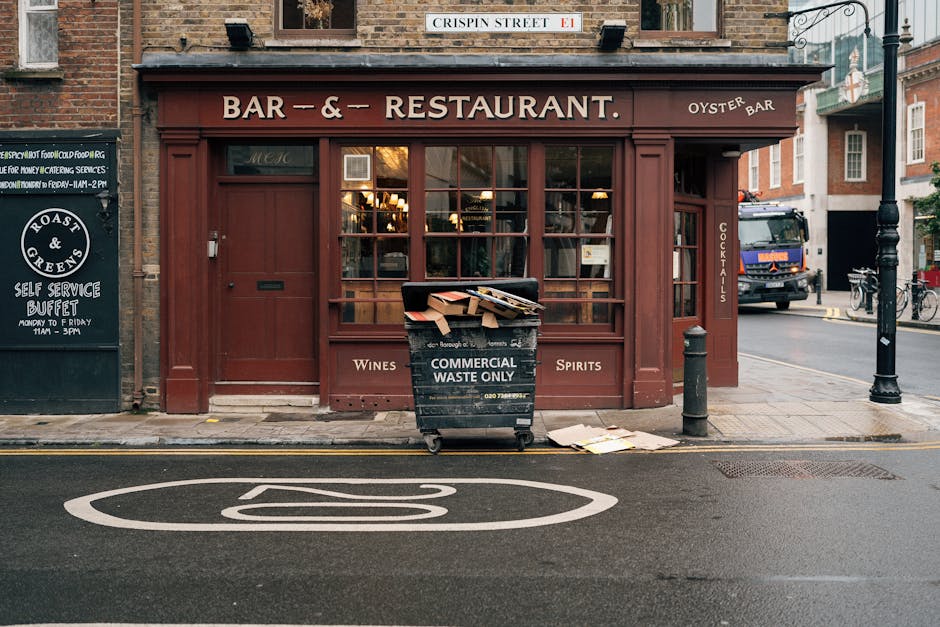
Bulky waste is not just "stuff you do not want anymore". It is usually large, heavy, awkward, or difficult to move safely without the right approach. In a place like Clerkenwell, that matters more than people think. Narrow stairwells, shared entrances, parking restrictions, loading difficulties, and busy roads can turn a simple disposal job into a bit of a headache. Add a deadline, and the whole thing gets sharper very quickly.
There is also the practical reality of what happens if bulky items are left sitting around. They take up floor space, obstruct hallways, create trip hazards, and can delay cleaning, decorating, or handover. If you are moving out, a lingering heap of furniture can also make a property look unfinished and messy, which is the last thing you want when a landlord, buyer, or letting agent is due.
To be fair, the emotional side matters too. A clear-out is supposed to feel like progress. If the bulky waste stage drags on for days, it can make the whole project feel half-done. Getting that final load out efficiently gives you closure. It sounds small, but it really does change how a space feels.
One more thing: bulky waste often includes items that need more thought than a standard bag of rubbish. Mattresses, fridges, freezers, wardrobes, bookcases, exercise equipment, desks, and old office furniture can all involve different handling needs. Some can be reused, some recycled, and some need specialist treatment. A little planning saves a lot of backtracking.
How Dealing with Bulky Waste After a Clerkenwell Clear-Out Works
The process is simpler when you break it into stages. Start by identifying what counts as bulky waste in your situation. Then separate items into reuse, recycle, and disposal groups. After that, decide how each category should leave the property. That might mean collection, a man and van load-out, transfer to a reuse route, or a mixture of methods.
A practical rule of thumb: if an item is too large for your regular bins, too heavy to carry safely without help, or too awkward to dismantle quickly, treat it as bulky waste. That does not mean every item must be thrown away. A surprising number of pieces can be resold, donated, or sent for recycling if they are still in decent condition. A scratched chest of drawers is not the same as a broken MDF unit that collapses when you touch it.
In Clerkenwell, the access part matters just as much as the disposal part. Sometimes the challenge is not lifting the item, it is getting it down tight stairs or through a shared entrance without damaging walls, lifts, or floors. If you have already been through a full declutter, you may also be juggling packing, cleaning, and handover tasks at the same time. That is where a structured removal plan really earns its keep.
If your clear-out is tied to a home move, you may find it useful to read practical decluttering advice for a smoother move and tips for keeping moving day calmer. Both are useful companions to the bulky waste stage, because the waste pile is usually just the visible end of a much bigger sorting job.
Key Benefits and Practical Advantages
When bulky waste is handled properly, you gain much more than a tidier room.
- Clear floor space faster so cleaners, decorators, or movers can work properly.
- Reduce the risk of damage to walls, lifts, stairwells, and door frames.
- Make recycling and reuse easier by sorting items before they are moved.
- Cut decision fatigue because each item has a destination instead of sitting in limbo.
- Improve property presentation for a handover, sale, or tenancy inspection.
- Save time on the day by avoiding repeated lifting and reshuffling.
There is also a financial upside, though it is not always obvious. If you can separate reusable furniture from true waste, you may reduce the amount that needs paying to dispose of. You may also avoid accidental damage claims, missed deadlines, or extra labour caused by poor access planning. Sometimes the hidden cost is not the disposal itself, but the chaos around it.
Expert summary: The smartest bulky waste plan is usually the simplest one: sort early, keep moving routes clear, protect the property, and match each item to the right disposal method instead of treating everything as rubbish.
Who This Is For and When It Makes Sense
This is not just for people moving house. Bulky waste after a Clerkenwell clear-out comes up in all sorts of situations, and each one has slightly different pressures.
Home movers
If you are leaving a flat or house, bulky waste can build up fast. Old beds, wardrobes, shelves, office chairs, and broken appliances often linger until the very end. If your aim is a clean handover, you want these gone before final cleaning and inspection. A related read on moving beds and mattresses efficiently is helpful if your clear-out includes sleep furniture, which it often does.
Landlords, tenants, and letting agents
End-of-tenancy clear-outs in Clerkenwell can be especially time-sensitive. You may have a deadline, key handover, or cleaning crew booked. In that setting, bulky waste is a schedule risk as much as a disposal issue.
Office and studio clear-outs
Desks, pedestal units, chairs, filing cabinets, and old storage racks are common office bulky waste items. These are often cumbersome, and they tend to appear in awkward quantities: not quite enough for a full industrial clearance, but too much for a casual DIY job. If that sounds familiar, you may find office removals support in Clerkenwell useful when you need structured help rather than a one-off lift.
Students and shared homes
Student moves and shared flats tend to generate odd combinations: a mattress here, a broken chair there, a table no one wants to inherit. It is very common, honestly. If you are dealing with smaller loads but awkward access, a little planning can prevent a lot of lifting.
Anyone working to a deadline
If you need the space cleared same day, or you are trying to make a property ready for sale, renovation, or check-out, bulky waste needs to be treated as a priority task. Waiting until the end is the classic mistake. We have all seen that happen. It rarely feels smart by 5 p.m.
Step-by-Step Guidance
Here is a grounded way to handle it without losing the plot midway through.
- Walk the property slowly. Do not rely on memory. Check storage cupboards, under beds, loft space, utility corners, and communal areas. Small items become bulky waste when they are grouped together.
- Sort by destination. Create three rough piles: keep, reuse/recycle, dispose. Be honest. If you keep moving a damaged item from one corner to another, it is still taking up space.
- Check for special handling items. Fridges, freezers, old electronics, and anything containing gas, liquids, or hazardous components may need extra care. For example, if you are unsure about storing or moving a freezer that is no longer in use, it may help to review how to keep a freezer intact when not in use.
- Measure access points. Stairs, lifts, hallway widths, and parking access can determine whether items need dismantling.
- Dismantle what can be safely broken down. Flat-pack furniture, bed frames, shelving, and some cabinets are easier to remove in sections. Keep screws and fittings in labelled bags if anything is being stored or reused.
- Protect floors and walls. Blankets, door guards, and corner protection matter more than people expect, especially in older buildings or tight stairwells.
- Choose the right removal method. A few light items may fit into a van run; larger or mixed loads often work better with a more organised removal service.
- Clear the route first. Move small items, rugs, cables, and breakables out of the way before lifting anything heavy. Obvious, yes, but easy to forget in the rush.
- Load by weight and fragility. Put solid, heavy items in first and fragile or awkward pieces where they will not get crushed.
- Finish with a final sweep. Check for forgotten parts, loose drawers, and hidden items behind furniture. That one last socket shelf somehow always appears at the worst moment.
If you want to reduce lifting stress during this stage, it is worth understanding proper manual handling. Our article on safe lifting principles and body mechanics explains the general idea in plain English, and the same thinking applies to household clear-outs more than most people realise.
Expert Tips for Better Results
After enough clear-outs, a few patterns become very clear.
- Do the hard items first. Large furniture and appliances are the bits that slow everything else down. Remove them early, while energy and space are still on your side.
- Keep one "decision zone". Put uncertain items in a single corner instead of scattering them. That way you do not waste time revisiting the same question five times.
- Use the property's natural flow. The best route out is not always the shortest. Sometimes one extra turn avoids scuffing a wall or banging a stair rail.
- Separate reusable from damaged items immediately. If something could be donated or resold, keep it cleaner and dry. Damp, dusty furniture is much harder to pass on.
- Book transport before the pile grows too much. It is easy to delay. Then suddenly the room is full and the deadline is tomorrow morning. Classic.
- Think about the cleaning team. The smoother your waste removal, the easier the post-clear-out clean will be. If that is next on your list, house cleaning essentials before a move can help you sequence the job properly.
- Be realistic about time. A room full of mixed bulky items often takes longer than people expect, especially in a flat with limited lift access.
One small but useful habit: take a quick photo of the space before you start. It helps you judge progress, and it can also be useful if you need to coordinate with cleaners, movers, or a landlord. Nothing fancy. Just a simple record.

Common Mistakes to Avoid
A lot of bulky waste problems are not really disposal problems. They are planning problems wearing a disguise.
- Leaving bulky waste until the end. This creates pressure and usually leads to rushed decisions.
- Assuming everything can go in one load. Different item types may need different handling, especially appliances and electronics.
- Forgetting access constraints. A couch is only "easy" until you try to turn it on a narrow landing.
- Not checking item condition. If furniture can be reused, do not contaminate it with mixed rubbish or food waste.
- Overestimating your own lifting capacity. Back strain is not a badge of honour. It is just pain, and it lingers.
- Skipping floor and wall protection. A quick carry can still leave marks, especially in older Clerkenwell buildings with tight corners.
- Ignoring deadlines. If you need the property empty by a certain time, build in a buffer. Things always take longer than you think. Always.
One subtle mistake is forgetting to coordinate waste removal with storage or onward transport. If some items are not being thrown away but are only moving to another location, make sure they are kept separate. Otherwise you end up paying to move things twice, which nobody enjoys. If temporary storage is part of your plan, storage options in Clerkenwell may be worth considering.
Tools, Resources and Recommendations
You do not need a warehouse full of kit, but a few basics make the job safer and faster.
- Heavy-duty gloves for grip and hand protection.
- Furniture blankets or thick covers to protect surfaces.
- Ratchet straps or rope to secure items during transport.
- Basic tools such as a screwdriver, hex key set, and adjustable spanner for dismantling furniture.
- Tape and marker labels for keeping screws, brackets, and parts together.
- Dust sheets for cleaner load-outs and better protection in hallways.
- A sturdy trolley or sack truck if you have heavier loads and suitable access.
For readers trying to manage a bigger move at the same time, it can also help to think holistically. Good packing habits make bulky waste handling easier because fewer items get mixed together. That is why guides like organising packing for a hassle-free move are more useful than they first appear.
If your bulky items are part of a wider removal project, you may also want to look at furniture removals support and man and van help in Clerkenwell. Those options can be especially practical when you need flexibility rather than a full-scale clearance.
Law, Compliance, Standards, or Best Practice
When bulky waste leaves a property, it should go through a lawful and responsible route. That sounds obvious, but it is worth stating plainly because informal disposal can create real problems. In the UK, householders, tenants, landlords, and businesses all have some responsibility to make sure waste is handled properly.
Best practice usually means using a legitimate carrier, keeping clear records where appropriate, and making sure waste is transferred to the right destination. If you are disposing of business items, the compliance burden can be higher, so it is wise to be more careful rather than less. For domestic clear-outs, the focus is still the same: do not leave items on the street, do not dump them in communal areas, and do not assume someone else will sort it later.
Safety is part of compliance too. Heavy lifting should be managed carefully, especially where stairs, lifts, sharp edges, or awkward sizes are involved. You may also want to think about insurance and the condition of the property itself. For a clearer sense of what a professional service typically considers, insurance and safety information can be helpful.
There is also a sustainability angle. Reuse, recycling, and responsible disposal should be considered before landfill. Not everything can be saved, of course, but plenty of bulky waste can be diverted from disposal if it is separated early. The practical message is simple: sort first, dump last. That is usually the better order.
Options, Methods, and Comparison Table
There is no single right method for every clear-out. The best choice depends on the volume, access, item condition, and how quickly you need the space cleared. Here is a straightforward comparison.
| Method | Best for | Pros | Trade-offs |
|---|---|---|---|
| DIY disposal | Very small loads, light items, flexible timing | Cheap, direct control | Time-consuming, physically demanding, access and transport can be awkward |
| Reuse or donation route | Good-condition furniture, usable appliances, intact household items | More sustainable, may reduce disposal volume | Not suitable for damaged, stained, or incomplete items |
| Booked bulky waste collection | Households with a limited number of large items | Simple process, less lifting on your side | May require planning, scheduling, and item acceptance checks |
| Removal support with van access | Mixed loads, awkward access, tight deadlines | Flexible, practical, handles carrying and transport | Usually more involved than a single-item collection |
If you are choosing between these options, ask yourself three questions: How much time do I have? How awkward are the items? And do I want to do the lifting myself? Those three questions usually tell you more than a long checklist does.
Case Study or Real-World Example
Here is a realistic Clerkenwell-style scenario. A tenant in a second-floor flat near a busy road has to clear out before end of tenancy. The flat includes an old bed frame, a mattress, two bookcases, a small desk, and a freezer that has not been used for months. The corridor is narrow, the lift is tiny, and the final cleaning is booked for later the same day.
At first, the temptation is to leave the bulky items for "after the smaller bits". But that would have meant constant obstruction while sorting clothes, kitchenware, and paper clutter. Instead, the bulky items were tackled first. The bed frame was dismantled, screws bagged and taped to the frame section, and the mattress was wrapped so it would not drag through the hall. The desk was removed in one piece, but only after measuring the route and checking the landing turn. The freezer was handled separately, because it needed more care than the furniture.
The result was not glamorous. There was dust, a bit of sweating, and that one moment where a corner nearly caught the wall. But the flat was cleared on time, the cleaners could work properly, and the final walkthrough was calm rather than chaotic. That is the real win. Not perfection. Just a clean, manageable finish.
If you are facing a similar schedule crunch, a same-day option may be the difference between scrambling and staying on track. In that case, same-day removals in Clerkenwell can be a sensible route to explore when timing is tight.
Practical Checklist
Use this before the bulky items start moving.
- Walk every room and storage area.
- Separate keep, reuse, recycle, and dispose items.
- Check for appliances, electronics, and other items needing special handling.
- Measure stairwells, doors, and lift access.
- Disassemble large furniture where safe.
- Bag and label screws, brackets, and loose fittings.
- Protect floors, corners, and walls.
- Keep reusable items clean and dry.
- Confirm transport and collection timing.
- Leave a final clear path for cleaners or movers.
- Do a last room-by-room sweep before handing over the keys.
Quick reminder: if your clear-out includes packing, moving, and disposal all at once, do not try to solve everything in one frantic burst. That is how people end up moving the same chair three times. It happens more than you would think.
Conclusion
Dealing with bulky waste after a Clerkenwell clear-out is much easier when you treat it as a planned stage rather than an afterthought. Sort early, protect the property, think carefully about reuse and disposal, and choose a removal method that fits the scale of the job. In a busy, access-challenging part of London, that extra bit of structure saves time, stress, and a fair few sore shoulders.
The main takeaway is simple: bulky waste should not block the rest of your move or clear-out. Once it is handled properly, everything else feels lighter. The room opens up, the cleaning gets easier, and the whole day suddenly breathes a bit better.
If you are still mapping out the broader move, you may also find it useful to review removals in Clerkenwell, man with a van support, and pricing and quotes guidance so you can line up the right help at the right time.
Get a free quote today and see how much you can save.
And once the last bulky item is out, you will notice it straight away: the air feels clearer, the space feels calmer, and the job finally feels done.