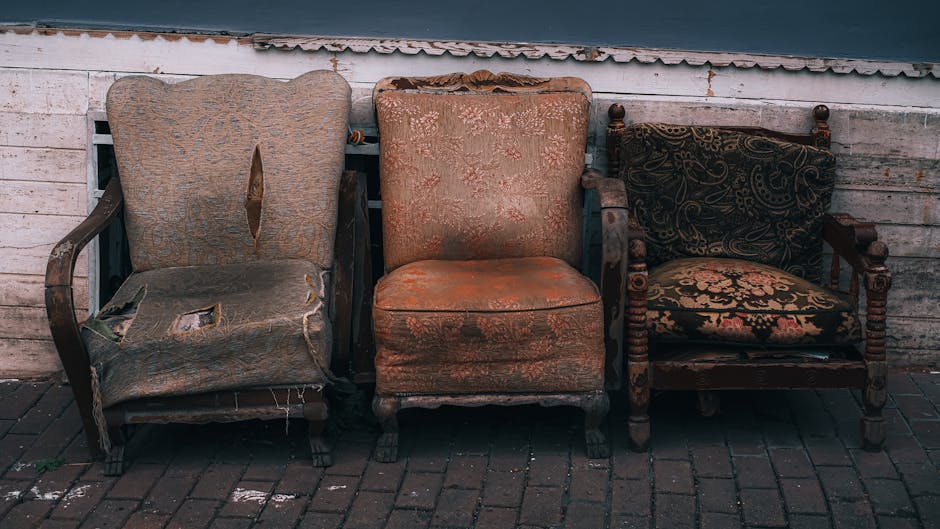
Legal furniture disposal in Clerkenwell: avoid council fines
If you are clearing out a flat, office, or shop in Clerkenwell, furniture disposal can go wrong quickly. One dumped sofa, one skipped booking, one careless fly-tip, and suddenly you are dealing with a council fine, a stressed landlord, or an awkward call from a building manager. Legal furniture disposal in Clerkenwell: avoid council fines is not just a search phrase; it is the practical difference between a tidy handover and a costly mess.
This guide explains what lawful disposal looks like, how to organise it properly, which mistakes usually trigger penalties, and when it makes sense to use a professional service. It is written for real people with real deadlines. Moving day at 8am, a narrow stairwell, and no lift? Yes, that kind of day.
Table of Contents
- Why it matters
- How it works
- Key benefits and practical advantages
- Who this is for and when it makes sense
- Step-by-step guidance
- Expert tips for better results
- Common mistakes to avoid
- Tools, resources and recommendations
- Law, compliance, standards, or best practice
- Options, methods, or comparison table
- Case study or real-world example
- Practical checklist
- Conclusion
- Frequently asked questions
Why Legal furniture disposal in Clerkenwell: avoid council fines Matters
Furniture disposal sounds simple until you try doing it in a busy London area with limited kerb space, shared entrances, and neighbours who notice everything. In Clerkenwell, that can mean extra pressure to get it right first time. A chair left on the pavement "for later" is not harmless; it can become an obstruction, an eyesore, or evidence of improper disposal if it is not handled correctly.
The main issue is responsibility. Once furniture leaves your home or premises, you still need to make sure it goes to the right place, in the right way. Councils can treat abandoned items as fly-tipping, especially if they are left in a communal area, outside collection windows, or beside a bin store. And let's face it, nobody wants a fine because an old wardrobe was placed out on the wrong day.
There is also the reputational side. For landlords, managing agents, office managers, and business owners, poor disposal can cause complaints, delays, and extra charges. For households, it can complicate a move, damage the building, and create avoidable stress. The solution is usually straightforward, but it does need planning.
Expert summary: lawful furniture disposal is about more than removal. It is about proof, proper handling, suitable transport, and using the right route for reuse, recycling, or disposal. That little bit of organisation makes a big difference.
How Legal furniture disposal in Clerkenwell: avoid council fines Works
At a practical level, legal disposal follows a simple chain: identify the items, decide whether they can be reused or recycled, book the right removal method, and make sure the furniture reaches an approved destination. The exact route depends on the item, its condition, access at the property, and how much you need cleared.
For example, a solid desk in fair condition may be suitable for reuse or resale. A water-damaged mattress or broken chipboard unit may need dismantling and disposal. Sofas, armchairs, beds, tables, wardrobes, and office furniture each present slightly different handling issues, especially if they are bulky or awkward to move through narrow stairwells.
In a place like Clerkenwell, logistics matter. Parking, loading time, and building access can all slow things down. If you are moving multiple pieces, using a man with van service can be a practical middle ground: enough capacity for household or office furniture, but flexible enough for tight streets and same-day collection windows. For larger projects, a broader removal services approach may be more suitable.
There is one more thing people sometimes overlook: paperwork and communication. If you are disposing of items on behalf of a tenant, client, or company, you should be clear about who authorised the clearance, what is being removed, and where it is going. That clarity protects everyone involved.
Key Benefits and Practical Advantages
Legal disposal is not only about avoiding trouble. It also makes the whole moving or clearance process cleaner, calmer, and often cheaper in the long run.
- Lower risk of fines: you reduce the chance of furniture being treated as abandoned waste.
- Better building relations: landlords, neighbours, and concierges are far less likely to complain when items are handled properly.
- Less disruption on moving day: the clearance is organised, not improvised.
- More sustainable outcomes: usable items can be reused, and recyclable materials can be separated.
- Less lifting and damage: trained removal teams know how to protect walls, floors, and door frames.
- Cleaner handover: particularly useful for end-of-tenancy, office vacates, and property sales.
There is also a quiet benefit that people appreciate after the event: mental relief. When the clutter is gone properly, the space suddenly feels bigger and less frantic. You can hear your own footsteps again. A small thing, maybe, but it matters.
If you are comparing providers, you may want to look at pricing and quotes early so you can match the disposal method to your budget. For environmentally minded customers, the company's recycling and sustainability approach is also worth reviewing.
Who This Is For and When It Makes Sense
This topic is relevant to far more people than you might think. It is not only for people doing a full house move. In Clerkenwell, furniture disposal issues often show up in everyday situations:
- tenants leaving a flat and needing to clear a few bulky items
- landlords preparing a property for new occupants
- office managers replacing desks, chairs, or filing units
- shop owners clearing display furniture or stockroom pieces
- homeowners downsizing and removing items that will not fit in the new place
- people combining disposal with a move, refurb, or declutter
It makes sense to use a proper service when items are too large for standard waste collection, when access is awkward, or when you simply do not want the risk. If the furniture is heavy, hard to dismantle, or needs to be carried down multiple flights of stairs, trying to "just get rid of it" can turn into a frustrating afternoon. Sometimes a two-person team is the difference between a smooth job and a bruised shin. Truth be told, we have all had one of those jobs.
If the disposal is connected to a relocation, you may also find it easier to use a service that can support the move itself. For example, house removals may suit a household move where some items are going with you and others are being cleared. For business premises, office removals can help coordinate desks, chairs, and IT-related clearance in one plan.
Step-by-Step Guidance
Here is a sensible way to handle furniture disposal without making it more complicated than it needs to be.
- Sort the furniture by outcome. Keep items for reuse, recycle, repair, or disposal in separate groups.
- Check size, weight, and condition. A wardrobe that needs dismantling is a very different job from a stackable chair.
- Decide whether any items can be donated or repurposed. If something still has useful life, do not rush it to disposal.
- Measure access. Stair width, lift size, doorway clearance, and parking access can all affect the job.
- Choose the right removal method. Small loads may suit a simple collection; larger or heavier jobs may need a dedicated removal team.
- Book a time that fits the building. Avoid peak congestion, busy concierge periods, or times when neighbours are likely to object.
- Prepare the items. Empty drawers, remove loose glass, and detach safe-to-remove parts where appropriate.
- Keep a record of what was taken. A basic inventory helps if a landlord, tenant, or business partner asks later.
For some customers, especially those dealing with multiple bulky items, a furniture pick up service is the cleanest option because it keeps the whole process focused on collection, loading, and lawful onward handling. If the load is modest and access is manageable, a man and van arrangement can be enough. Simple, really. Well, simple once the stairs are out of the way.
Expert Tips for Better Results
A few practical habits can make furniture disposal easier and less risky.
- Take photos before collection. This helps you document condition and quantities.
- Keep screws, shelves, and fittings together. Small parts disappear fast during a move.
- Ask about dismantling in advance. Some bulky pieces are far easier to move if taken apart first.
- Protect common areas. In older Clerkenwell buildings, a narrow hallway can scrape easily.
- Plan for the unexpected. A sofa may not fit through the door even if it looked fine in the room. That happens more often than people like to admit.
- Use a provider that understands local access issues. Central London loading and parking realities are not the same as suburban removals.
If your clearance forms part of a bigger move, it can be worth combining services. For example, customers sometimes pair furniture disposal with home moves or with commercial moves so the whole day is coordinated rather than split into several stressful jobs.
One more tip: keep communication tight. If a building manager wants a collection window, or a client wants certain items retained, confirm it in writing. A short message can save a long argument later.
Common Mistakes to Avoid
Most fines and headaches come from a handful of avoidable mistakes. They are predictable, which is almost comforting in a strange way.
- Leaving furniture outside too early. Even if it is "just for a bit", it can still be treated as abandoned waste.
- Assuming the council will collect bulky items for free. Services vary, and you should never rely on assumptions.
- Using an unverified disposer. If someone takes your items and dumps them elsewhere, the problem can come back to you.
- Not checking access first. Tight staircases and parking restrictions can make a cheap quote turn expensive.
- Ignoring fire exits and communal rules. This is especially important in blocks and shared commercial premises.
- Mixing disposal with general rubbish. Furniture, electrical waste, and loose household waste may need different handling.
There is also a subtle mistake people make: waiting until the very end of a move to think about clearance. By then the pressure is high, the van is full, and the easy decisions have already gone. If you are planning ahead, do it early. Your future self will thank you, quietly and without drama.
Tools, Resources and Recommendations
You do not need a toolbox full of special kit, but a few simple things help:
- measuring tape for doorways, lifts, and stairwells
- labels or sticky notes for sorting keep, recycle, and remove
- basic screwdrivers or an Allen key set for dismantling furniture
- gloves for handling dusty or splintered items
- blankets or protective coverings to reduce scuffs in common areas
From a service perspective, it is helpful to compare what is included before booking. Some teams are only collecting. Others can help load, dismantle, carry downstairs, and coordinate with a wider move. If you want a more complete service, pages like removal company, removal company and removals can help you understand the broader service scope. If you just need a straightforward collection, removal services or removals near me may be a quicker starting point.
For internal peace of mind, review the company's insurance and safety information and its health and safety policy. That is not box-ticking; it tells you how they handle lifting, access, and risk. And in a narrow Clerkenwell stairwell, risk is never theoretical.
Law, Compliance, Standards, or Best Practice
Furniture disposal sits within broader waste-handling expectations in the UK, so the safest approach is to treat it as a compliance issue, not just a logistics task. In plain English, that means you should know where the items are going, who is handling them, and whether they are being reused, recycled, or disposed of responsibly.
Best practice usually includes:
- using a reputable waste carrier or removal provider
- keeping basic records of what was removed
- avoiding fly-tipping or roadside dumping
- separating reusable items from true waste
- making sure no items block public paths, fire exits, or shared access routes
For businesses, the standard should be even tighter. Office clearances may involve desks, chairs, shelving, and storage units, but they can also involve confidential materials, IT accessories, or items that need more careful handling. If you are arranging a workplace move or a phased clearance, it can make sense to look at office relocation services alongside disposal planning so the process is joined up.
One caution worth saying clearly: if you are not sure whether a certain item can be left for council collection, assume it cannot until confirmed. That approach is slightly boring, yes, but boring is usually cheaper than a penalty.
Options, Methods, or Comparison Table
Different disposal routes suit different situations. The best choice depends on urgency, item size, access, and how much help you need.
| Method | Best for | Pros | Watch-outs |
|---|---|---|---|
| Reuse or donation | Furniture in good condition | Potentially sustainable, avoids waste | Not suitable for damaged or unhygienic items |
| DIY disposal | Small, manageable loads | Flexible and low-cost if you already have transport | Can be hard in London access conditions; higher risk of mistakes |
| Specialist furniture pickup | Bulky household pieces | Hands-on help, easier loading, better for awkward items | Needs good booking and clear item list |
| Full removals support | Moves with mixed keep-and-clear items | Efficient for larger jobs and time-sensitive relocations | May be more than you need for a single item |
| Office clearance | Business furniture and workspace changes | Good for coordinated clear-outs | Should be planned around access, records, and building rules |
If your disposal is connected to a larger move, browsing house removalists or man with van removal can help you decide whether you need a more complete service than a simple pickup. The right answer is usually the one that makes the day calmer, not the one that looks cheapest on paper for ten seconds.
Case Study or Real-World Example
A small Clerkenwell studio apartment needed to be cleared at the end of a tenancy. The tenant had a broken desk, a bookcase, a mattress, and two chairs to remove. There was no lift, the staircase was narrow, and the handover deadline was the next morning. A classic London headache, really.
Instead of leaving the items in the communal hallway, the tenant listed each piece, measured the widest items, and booked a collection with a provider that could handle carrying and loading. The desk was dismantled, the smaller parts were bagged together, and the route out was protected so the building was not marked. The result was simple: the flat was cleared, the landlord had no complaint, and there was no last-minute scramble outside the property.
The important part was not speed alone. It was doing the right things in the right order. That is what keeps a removal or disposal job lawful and uneventful. And uneventful, in this context, is a compliment.
Practical Checklist
Use this quick checklist before you book or begin.
- Have I separated reusable items from disposal items?
- Do I know which furniture needs dismantling?
- Have I checked stair access, lifts, and doorway widths?
- Do I know where the items are going?
- Have I confirmed timing with the building, landlord, or manager?
- Am I clear on what is included in the service?
- Have I reviewed insurance, safety, and terms?
- Have I taken photos or made a list of the items?
- Will the collection avoid blocking shared spaces or pavements?
- Do I need extra help for a full move, not just disposal?
If you tick most of those boxes, you are already ahead of the game. If not, no problem - fix the gaps before collection day, and the whole job gets easier.
Get a free quote today and see how much you can save.
Conclusion
Legal furniture disposal in Clerkenwell is not difficult, but it does need care. The real risks are usually mundane: leaving items outside too long, choosing the wrong removal method, forgetting access constraints, or assuming "someone else will sort it". That is where council fines, delays, and complaints begin.
With a clear plan, the right collection method, and a provider that understands local access and safe handling, you can clear furniture without stress and without cutting corners. Whether you are managing a home move, an office change, or a single bulky item, the goal is the same: keep it lawful, keep it tidy, and keep it moving.
And if you can do all that before the next cup of tea goes cold, even better.
Frequently Asked Questions
What counts as legal furniture disposal in Clerkenwell?
It means disposing of furniture through a lawful, traceable route rather than leaving it on the street or in a communal area. That usually includes reuse, recycling, or collection by a suitable removal or waste-handling provider.
Can I leave old furniture outside for council collection?
Only if you have confirmed that the council accepts that item, on that date, in that way. If you are unsure, do not leave it out. Uncollected items can quickly be treated as abandoned waste.
Will I be fined for putting a sofa on the pavement?
There is a risk, yes, especially if it is left out without proper arrangement or blocks access. The safest approach is to arrange collection in advance and keep the item inside until removal time.
Is it better to donate furniture or dispose of it?
If the item is clean, safe, and still useful, donation or reuse is usually better. If it is damaged, heavily worn, or unhygienic, disposal may be the only sensible option.
What furniture is hardest to dispose of in Clerkenwell flats?
Large wardrobes, sofas, bed frames, and heavy desks are often the hardest because of stair access, narrow hallways, and parking restrictions. They are the sort of items that look smaller in the living room than they do on the landing.
Do I need to dismantle furniture before collection?
Not always, but dismantling can make a big difference when access is tight. A provider may also ask for it if the item will not fit safely through a door or stairwell.
How do I avoid fly-tipping accusations?
Do not leave items unattended in public or shared areas, and use a reputable service with clear collection terms. Keep a basic record of what was removed and when, just in case anyone asks.
Is a man and van suitable for furniture disposal?
Often, yes, for smaller to medium loads or a few bulky items. For a full flat, multiple heavy pieces, or office clearances, you may need a larger removals setup.
What should I ask before booking a furniture pickup?
Ask what is included, whether dismantling is available, how access is handled, what happens to reusable items, and whether the team is insured. Those five questions cover most of the important bits.
Can office furniture be cleared the same way as home furniture?
Sometimes, but office clearances can involve different practical issues such as building rules, larger volumes, and timing around business hours. It is usually best to plan office disposal separately or as part of a wider relocation.
How far in advance should I arrange disposal?
As early as possible if you have a deadline. For move-outs and office handovers, leaving it to the last day is where avoidable stress appears. A few days' planning can make the entire job much smoother.
Where can I find more about safety and service standards?
It is sensible to review a provider's health and safety policy, insurance and safety details, and terms and conditions before booking. That gives you a clearer picture of how the job will be handled.
What is the best next step if I need help now?
Start by listing the items, checking access, and comparing the most relevant service options. If you need a straightforward collection, look at the provider's furniture pickup and removals pages; if it is part of a bigger move, explore the fuller moving service that fits your situation best.