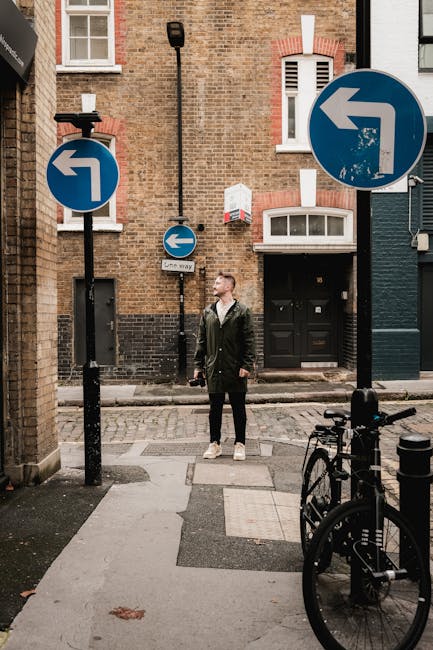
Navigating Narrow Streets: Farringdon Road Moves in Clerkenwell
Posted on 07/05/2026
Moving in Clerkenwell is never just about boxes and a van. If your route involves Farringdon Road, tight side streets, controlled access points, busy delivery windows, and the occasional parked car that seems to have chosen exactly the wrong spot, you need a plan that respects the area as much as the move itself. Navigating narrow streets for Farringdon Road moves in Clerkenwell is about more than squeezing a vehicle through a gap. It is about timing, vehicle choice, loading discipline, and local awareness.
Whether you are moving a flat, an office, a few large items, or a full household, the same principle applies: the road layout and access conditions can make the difference between a smooth day and a long, stressful one. This guide breaks down how to approach narrow-street removals properly, what to expect, and how to avoid the costly mistakes that turn a straightforward move into a headache.
For readers comparing service options, it can also help to review a wider services overview before deciding what level of support you actually need.
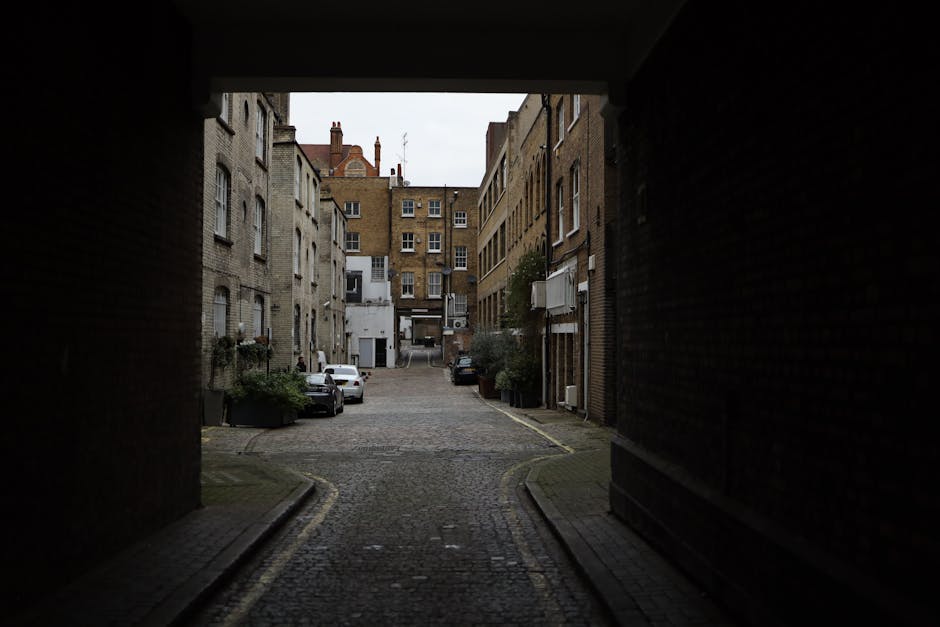
Why Navigating Narrow Streets: Farringdon Road Moves in Clerkenwell Matters
Clerkenwell is a well-connected part of central London, but that connectivity comes with practical challenges. Streets around Farringdon Road can be narrow, busy, and unforgiving for oversized vehicles or badly timed arrivals. One misjudged turn can block traffic, slow your team down, or force a frustrating re-route. And if you are moving into a top-floor flat or an office above street level, every extra minute spent outside adds pressure.
The issue is not only vehicle width. Narrow streets also affect where a van can stop, whether loading is safe, and how far items must be carried from the vehicle to the entrance. In dense urban moves, these details matter more than many people expect. A move can be perfectly planned on paper and still run late because the unloading point was not realistic.
This is why local street knowledge is valuable. A mover who understands Clerkenwell is likely to account for access restrictions, delivery timing, building entrances, and how to work around temporary road congestion. That local awareness can save both time and money.
For some jobs, the right starting point is learning how to move light loads efficiently. For others, the answer is expert handling of awkward furniture. If you are dealing with bulkier pieces, the guidance in packed-and-ready house moving tips and decluttering for an easier move can cut the volume before anything reaches the van.
Expert summary: In narrow-street moves, the biggest risks are rarely the boxes themselves. It is the access plan, vehicle positioning, and timing that usually decide whether the day feels controlled or chaotic.
How Navigating Narrow Streets: Farringdon Road Moves in Clerkenwell Works
A good narrow-street move starts long before the van arrives. The process typically begins with route planning, property access checks, and a realistic estimate of how close the vehicle can get to the door. From there, the move is built around what the street can safely support.
1. Route and access planning
This is where the move becomes practical. The team checks the best approach roads, likely pinch points, and whether there are any obvious obstructions such as narrow corners, low overhangs, or heavy traffic periods. If access is restricted, the plan may change to a smaller vehicle or a staged load.
2. Vehicle selection
Not every move benefits from the largest van available. On narrower roads, a more compact removal van may be far easier to position and manoeuvre. A smaller vehicle can sometimes do the job faster because it reaches the loading point without awkward reversing or long carry distances. If you want to understand vehicle options in a local context, the page on removal van hire in Clerkenwell is useful background.
3. Loading discipline
Once the van is in place, the load must be arranged so that heavier items sit securely, fragile items are protected, and the route from the property to the vehicle remains clear. In a narrow street, speed and control must work together. Rushing is how furniture gets chipped, hands get trapped, or items end up being carried twice.
4. Carry distance management
If the van cannot park directly outside, items may need to be moved by trolley or carried from a legal stopping point nearby. That is normal in central London. The real skill lies in making the carry route efficient, safe, and free from avoidable bottlenecks.
5. Building and property coordination
Many moves succeed or fail based on how well the mover coordinates with the building. Flats, converted properties, and offices can all have different access rules. The difference between a smooth lift and a tense one is often a simple detail such as whether a doorway can remain open safely or whether a lift booking is needed.
If you are moving furniture, it is worth reading about furniture removals support and furniture removals in Clerkenwell to see how specialists handle larger items in confined spaces.
Key Benefits and Practical Advantages
Working with a narrow-street-aware removal service gives you more than convenience. It changes the quality of the whole move.
- Less wasted time: A suitable vehicle and a realistic access plan reduce delays.
- Lower damage risk: Better manoeuvring means fewer bumps, scratches, and awkward lifts.
- Safer handling: Tight spaces require controlled movement, not improvisation.
- Better building relations: Quiet, efficient moves are less disruptive to neighbours, staff, and residents.
- More accurate scheduling: When access is planned properly, arrival and completion times are easier to predict.
- Reduced stress for you: You are not trying to troubleshoot parking, traffic, and lifting all at once.
There is also a financial angle. A move that takes longer because the team guessed wrong about access can become more expensive through extra labour time. By contrast, an organised move often feels almost boring in the best possible way. No drama is the goal.
For people who need a fast, flexible option, man and van in Clerkenwell can be a sensible fit, especially for smaller moves or short-notice jobs. If you are weighing up value and scope, the local pricing and quotes guidance is a useful reference point for understanding how estimates are usually built.
Who This Is For and When It Makes Sense
This kind of planning matters for anyone moving through a constrained urban route, but it is especially relevant in a few common situations.
Flat movers
Flats are the classic narrow-street challenge. You may be dealing with stairs, shared entrances, lift restrictions, and limited roadside parking all at once. If your move involves a top-floor apartment or a conversion property, the access strategy matters as much as the packing list. The local flat removals service is built around exactly this kind of challenge.
Office relocations
Businesses on or near Farringdon Road often need precise timing and minimal disruption. Deliveries, clients, and building access all need to be coordinated. A poor unloading plan can affect not just the move, but the workday that follows. For commercial jobs, office removals in Clerkenwell can provide a better fit than a generic one-size-fits-all approach.
Student and short-term movers
Students and renters often have smaller volumes but tighter deadlines. If you are moving out at the end of a tenancy, you may need speed, flexibility, and a quick turnaround. The student removals option can be useful for exactly that sort of move.
People with awkward items
Pianos, large wardrobes, mattress sets, and deep freezers are difficult enough in open spaces. In narrow streets, they become a planning issue too. For especially delicate or heavy pieces, specialist handling is worth considering. Read more on professional piano movers and the practical realities of moving a bed and mattress.
Last-minute or same-day moves
Sometimes a move is not planned weeks in advance. If you need rapid support, narrow-street competence becomes even more valuable because there is less room to recover from a bad first attempt. That is where same-day removals in Clerkenwell can be a practical solution.
Step-by-Step Guidance
Below is a straightforward way to organise a move through narrow streets without overcomplicating it.
- Map the access in advance. Check where the vehicle can stop, how far the carry is likely to be, and whether there are any obvious bottlenecks.
- Reduce what you are moving. Declutter before the move so you are not paying to transport items you no longer need. A focused read on decluttering before moving can help you decide what stays and what goes.
- Pack for handling, not just storage. Strong boxes, clear labels, and sensible weight distribution make a big difference when items need to be carried a longer distance.
- Protect fragile and valuable items first. Glass, artwork, electronics, and instruments deserve special attention before anything else is loaded.
- Confirm building access. Make sure you know lift availability, entry codes, booking requirements, and any time restrictions.
- Choose the right vehicle size. Smaller may be better in a dense area. The best truck is the one that can actually get to the property.
- Load in the right order. Heavy, stable items go in first; fragile and loose items are secured later.
- Keep the route clear. In narrow streets, even a small obstruction can slow the entire move. Parked scooters, bins, and low railings can all matter.
- Do a final walk-through. Check cupboards, loft spaces, communal areas, and under beds before leaving.
If you want a fuller pre-move rhythm, the guides on organised packing and house cleaning essentials before moving are practical companions to this process.
Expert Tips for Better Results
A few small decisions can make a narrow-street move noticeably easier.
Use time windows wisely
Central London traffic is not exactly shy. If you have any flexibility, choose a slot that reduces the chance of congestion around loading or unloading. Early access is often kinder than mid-morning chaos, though every street has its own rhythm.
Pre-pack with carry distance in mind
If the vehicle cannot park at the door, avoid awkwardly overfilled boxes that are difficult to carry safely for long distances. Smaller, balanced cartons are often better than a few oversized ones.
Protect floors and doorframes
It sounds basic, but in tight hallways damage usually happens at corners, thresholds, and stair landings. Simple protection makes a noticeable difference, especially in older buildings.
Think in zones, not just rooms
When moving from a narrow street, it helps to organise items by access priority. What needs to go out first? What can wait? What is too fragile to be moved in the first wave? That approach keeps the team moving steadily instead of repeatedly changing direction.
Do not force oversized items through poor access
Truth be told, trying to "make it fit" is how an easy job becomes a repair bill. Sometimes the correct answer is to remove doors, use specialist lifting gear, or choose a different route entirely.
For heavy lifting theory and practical handling technique, the article on kinetic lifting principles gives a useful perspective, while solo lifting advice for heavy objects is worth reading if you are handling smaller pieces yourself. If you are moving especially heavy furniture, restraint is often smarter than enthusiasm.

Common Mistakes to Avoid
Narrow streets expose weak planning quickly. These are the mistakes that tend to cause the most trouble.
- Assuming the van can stop outside. In central London, that is often optimistic.
- Choosing the wrong vehicle size. Bigger is not always better if it cannot manoeuvre safely.
- Packing without weight control. Overpacked boxes slow carrying and increase injury risk.
- Ignoring building rules. Lift bookings, access hours, and loading restrictions matter.
- Leaving decluttering too late. Extra items mean extra lifting and extra carry time.
- Not protecting awkward items properly. The more fragile or valuable the item, the less you should improvise.
- Forgetting about the return route. It is not enough to get items out; the path back must stay clear too.
One mistake deserves special mention: underestimating the time required to complete the last 50 metres. In a narrow-street move, those final steps are often where the schedule slips. They are also where people get tired and sloppy. Neither helps.
Tools, Resources and Recommendations
You do not need a van full of specialist kit for every move, but a few tools can significantly improve handling and safety.
- Furniture blankets and wraps: Useful for protecting corners, tabletops, and polished surfaces.
- Ratchet straps or securing straps: Help keep loads stable during transit.
- Hand trolley or sack truck: Particularly helpful when the vehicle cannot park directly outside.
- Labels and marker pens: Speed up unloading and reduce confusion.
- Floor protection: Ideal for flats and offices with sensitive surfaces.
- Sturdy packing materials: The page on packing supplies and boxes is a good reminder that the right materials matter more than many people think.
For people trying to simplify the whole process, service pages such as man with a van in Clerkenwell, removals in Clerkenwell, and local removal services provide a useful overview of what can be arranged. If you need temporary overflow space before or after the move, storage in Clerkenwell may also be worth considering.
Law, Compliance, Standards, or Best Practice
Urban removals need to respect practical and legal boundaries. While the exact rules can vary by building, street, and timing, the safest approach is to work within local access conditions and avoid assuming you can stop anywhere for as long as you want. In dense areas like Clerkenwell, a sensible mover plans for limited stopping room and keeps disruption to a minimum.
Best practice usually includes:
- checking access permissions with the property or building manager
- using safe lifting methods and appropriate equipment
- securing loads properly inside the vehicle
- avoiding obstruction of footpaths, entrances, and traffic lanes
- following any relevant health and safety procedures for staff and customers
If you want reassurance about how a company approaches these responsibilities, review their health and safety policy, insurance and safety information, and accessibility statement. Those pages help set expectations in a clear, practical way.
There is also a customer confidence angle. Look for transparent terms, clear payment processes, and straightforward communication. For example, a company's payment and security details and terms and conditions should be easy to find, read, and understand.
Options, Methods, or Comparison Table
Different move types need different approaches. Here is a practical comparison to help you decide what fits best.
| Approach | Best for | Strengths | Limitations |
|---|---|---|---|
| Small van move | Single flats, a few bulky items, short notice jobs | Easier to manoeuvre on narrow roads; often quicker to position | Limited capacity; may require careful load planning |
| Standard removal van | Typical household or office moves with moderate volume | Good balance of capacity and handling | May struggle in tighter turning spaces |
| Full-service removals | Larger homes, complex access, fragile or heavy furniture | More support, better coordination, less physical strain | Usually requires more planning and a wider service scope |
| Self-managed move | Very small loads, experienced movers, minimal furniture | Lowest direct service cost | Highest personal effort and greatest risk of delay or damage |
If you are on the fence, think about the access first and the volume second. In a street like Farringdon Road, a smaller, well-planned setup often beats a larger one that cannot be positioned safely. For some readers, house removals in Clerkenwell will be the better route; for others, a lighter-touch man and van option is perfectly adequate.
Case Study or Real-World Example
Consider a typical one-bedroom flat move near Farringdon Road. The occupier has a bed frame, mattress, sofa, desk, a few shelving units, kitchen boxes, and a small freezer. The building is on a narrow side street with limited kerb space, and there is no easy place for a large vehicle to wait.
A sensible approach would be to split the move into two phases. First, the team would confirm the narrowest access point and decide whether a smaller vehicle is the safest choice. Second, heavier and awkward items would be prepared for quick loading, while fragile boxes are grouped by room and marked clearly. If the freezer is being moved separately or stored, the mover would also need to plan for safe handling and correct transport positioning.
This is where preparation pays off. The move does not become "easy" in the sense that nothing is heavy. It becomes manageable because the team has removed avoidable friction. Fewer trips, fewer surprises, and less time standing around in a stressful doorway make the biggest difference.
In a similar scenario, a customer with a piano would benefit from specialist handling rather than general lifting. That is why pages like piano removals in Clerkenwell and why skilled piano movers matter are so relevant when the item is valuable and access is tight.
Practical Checklist
Use this checklist before moving day if your route involves narrow streets or restricted access.
- Confirm the full pickup and drop-off addresses.
- Check whether the vehicle can stop close enough to the property.
- Ask about lifts, staircases, loading bays, and entry codes.
- Measure awkward furniture and large appliances.
- Declutter what you do not need.
- Pack heavy items into manageable boxes.
- Label fragile boxes clearly.
- Protect floors, corners, and doorframes where possible.
- Set aside essential items you want to access first.
- Keep a contact number handy for the mover or building manager.
- Review any access rules or time restrictions.
- Plan for storage if your move-out and move-in dates do not align.
For a more complete pre-move routine, many people also find it useful to review stress-free house move advice and cleaning tips before moving out. Small details like these save time later.
Conclusion
Narrow-street removals in Clerkenwell are rarely about brute force. They are about judgement, preparation, and a realistic view of what the street can support. Farringdon Road and the surrounding area reward movers who plan well, choose the right vehicle, and respect the limits of the environment. That is how you protect belongings, reduce delays, and keep the day calm enough to feel under control.
If you are moving soon, start with access, not boxes. Once the route and vehicle are sorted, the rest becomes much easier to manage. And if you are unsure whether your move needs a man and van, specialist furniture handling, or full removals support, it is worth asking before the pressure of moving day arrives.
Get a free quote today and see how much you can save.